
Sealing a Vein Shut With Medical Adhesive
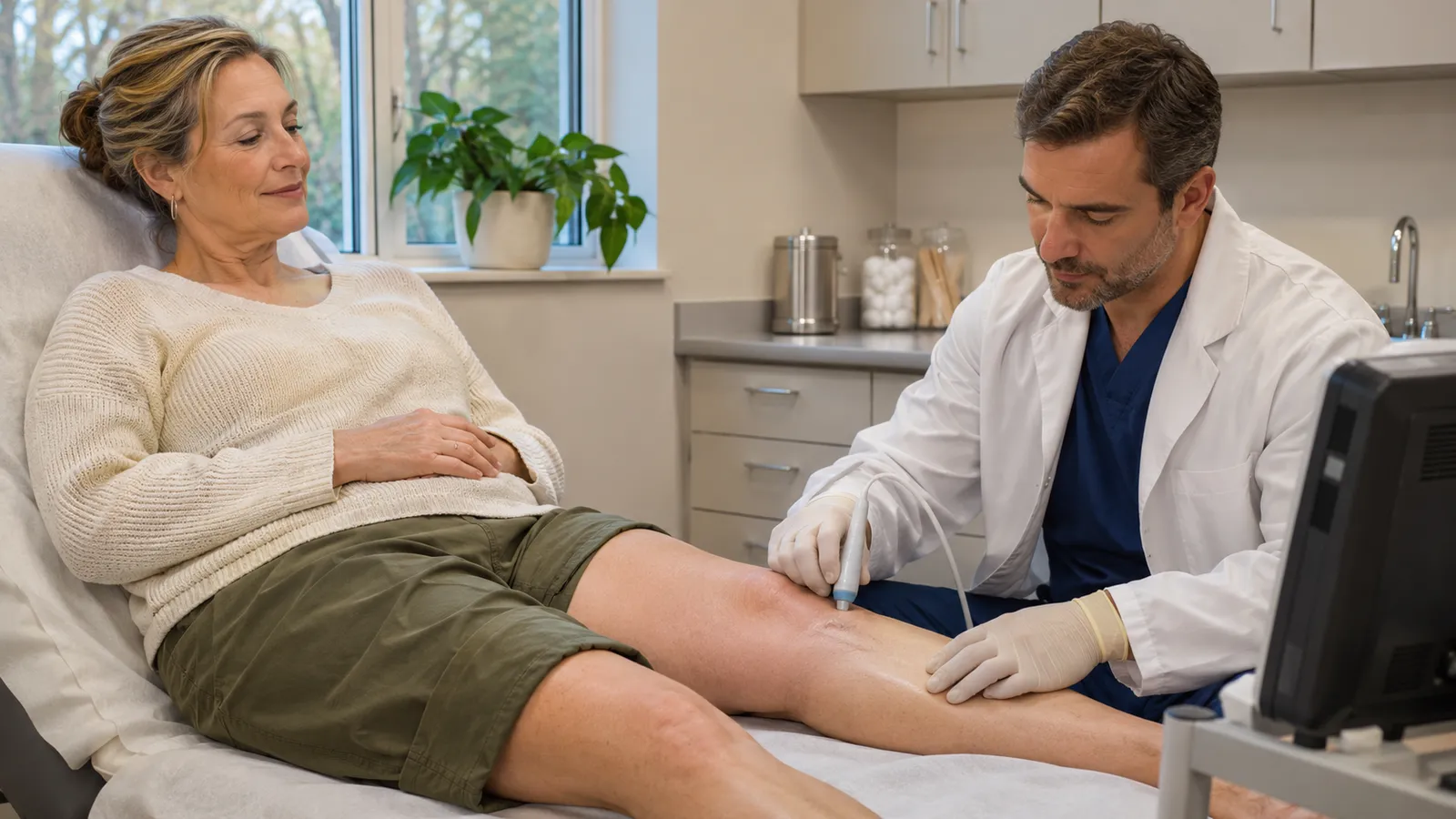
Closing a vein is the idea behind several treatments, and medical adhesive is one way to do it. The usual advice is to ask which closing method suits your veins, and the complication is that a short list of methods does not decide that for you.
What the adhesive does
Medtronic describes its VenaSeal procedure in a single line: "Only a very small amount of VenaSeal™ procedure adhesive is used to close the vein."
To set adhesive beside another closing method, read the UMass Memorial Health page on how vein ablation treats vein conditions.
How published guidance sorts the options
The patient page on venous disease treatment options at my.clevelandclinic.org shows where adhesive sits among the alternatives.
When two constraints apply at once
A vein that suits adhesive may still sit in a leg with other issues, and the plan has to cover both. Coverage can shape that plan as well, so ask what your own insurer covers. One insurer's medical policy on varicose veins and venous insufficiency shows what such a document looks like.
What to take to your appointment
Ask whether adhesive closure is a fit for your particular vein and how it would combine with anything else you need. The wider set of options is on A Patient's Map of Varicose Vein Treatments. This article is general information, not medical advice.