
What Turns a Leg Vein Into a Varicose Vein
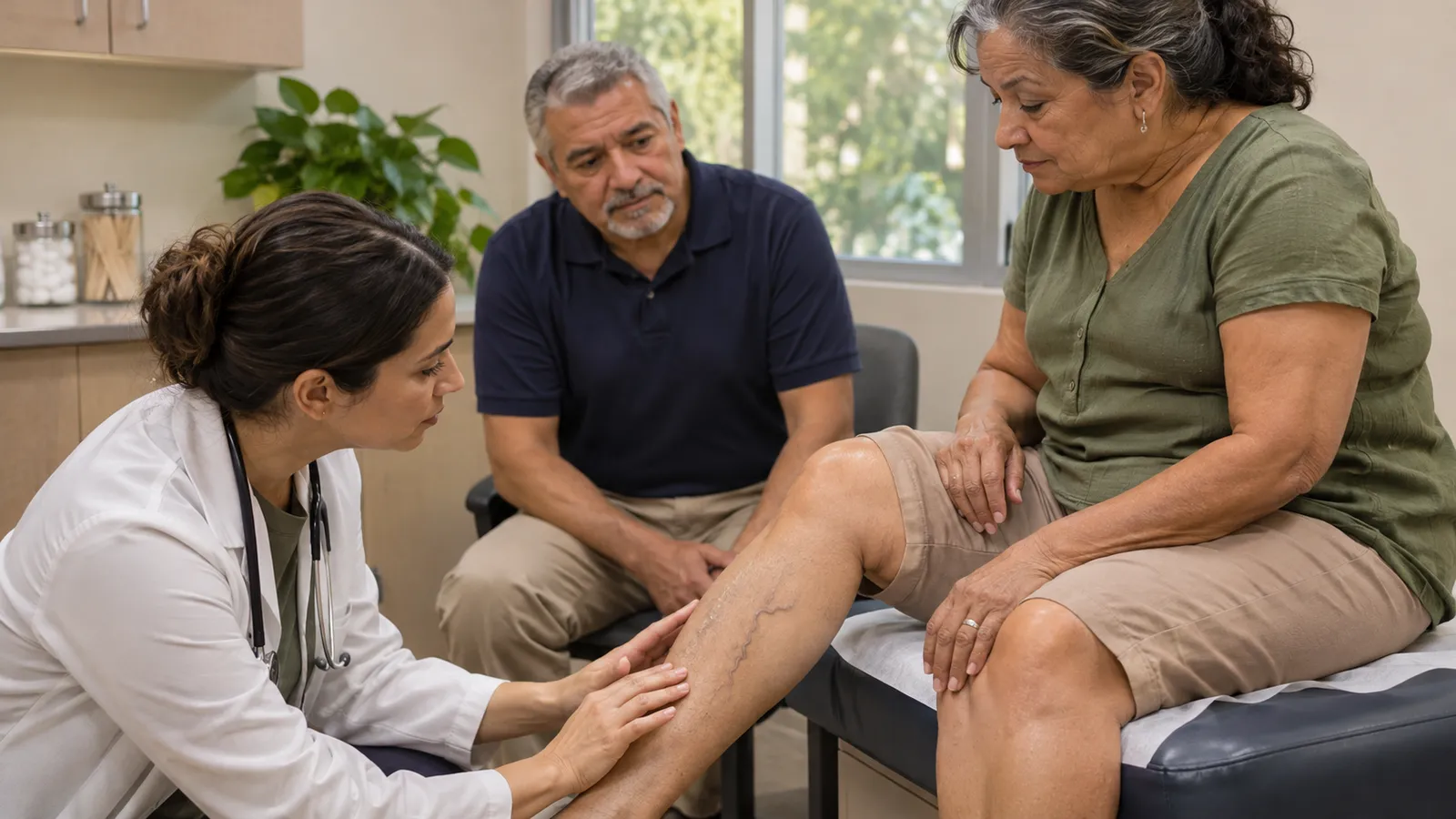
Varicose veins are a common condition caused by weak or damaged vein walls and valves, according to the NHLBI, and that is the standard line. It holds up as a starting point. Anyone who wants the reference version can read the MSD Manual Professional Edition entry on varicose veins alongside this page.
Where the simple explanation stops
A one-line definition names the vein and says nothing about the person standing on it. Real legs come with extra weight, long shifts on hard floors, or a treatment plan from years ago that nobody revisited. Those details change which questions matter, even when the definition stays exactly the same.
What published guidance does with a messy leg
Published guidance works from assumptions, and every assumption is a place where your situation can disagree. Read the guidance for what it covers, then mark each spot where your own leg breaks the pattern. The NHS page on how varicose veins are diagnosed is a good candidate for that kind of marked-up reading.
When weight and work land on the same leg
One constraint is manageable on its own. Two at once is where a generic handout stops being useful, because each one pulls the plan in a different direction. A Clifton reader with a standing job and a weight goal does not need a longer list of tips. That reader needs help deciding which constraint gets handled first.
What to ask when a vein already has a history
If a vein was treated years ago, ask what exactly was done and whether the way it is described today still matches. Bring any records you have. The NHS overview of varicose veins is another place to compare terminology before you ask.
The compromise to take to an appointment
Go in with two lists: what you cannot change right now, and what you can. Add your marked-up reading and ask the clinician which constraint they would deal with first, and why. The Henry Ford Health vein clinic FAQ is one more place to find wording for your questions.
This guide is general information and not medical advice. A clinician who has examined your leg decides what applies to you.